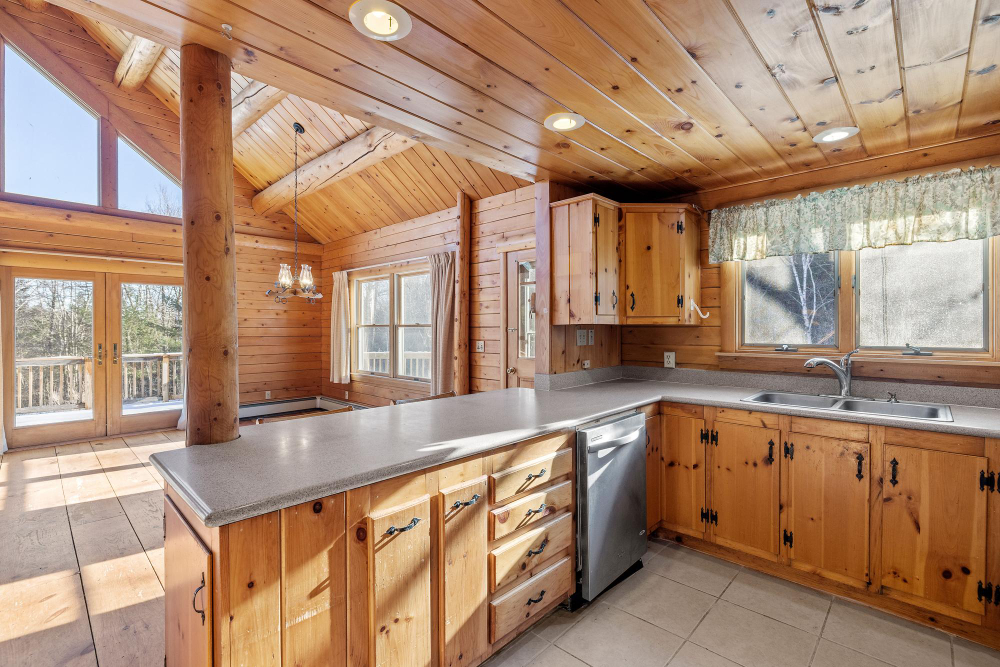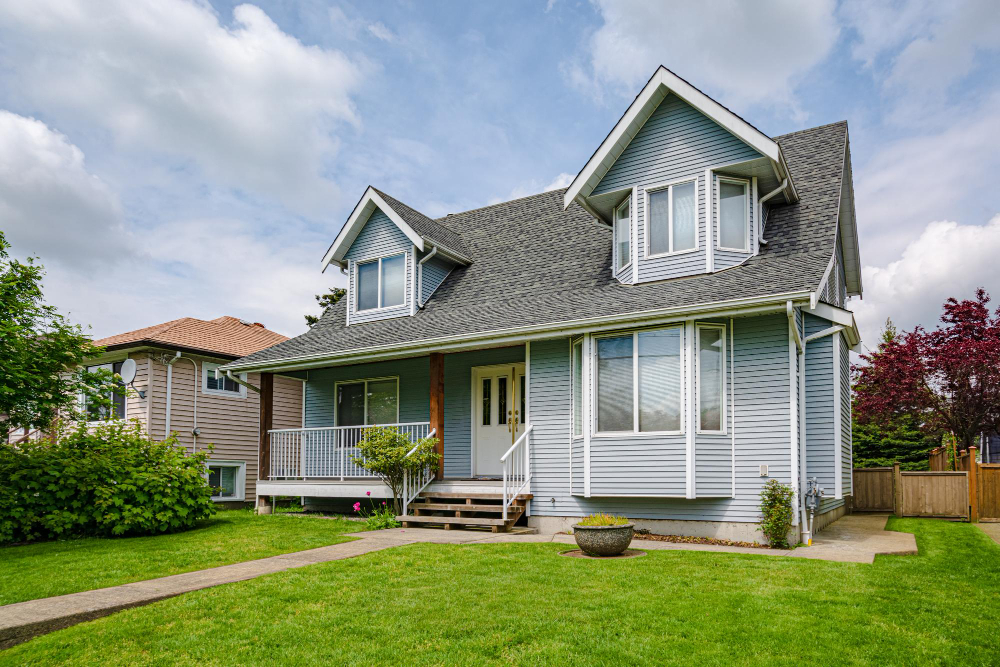
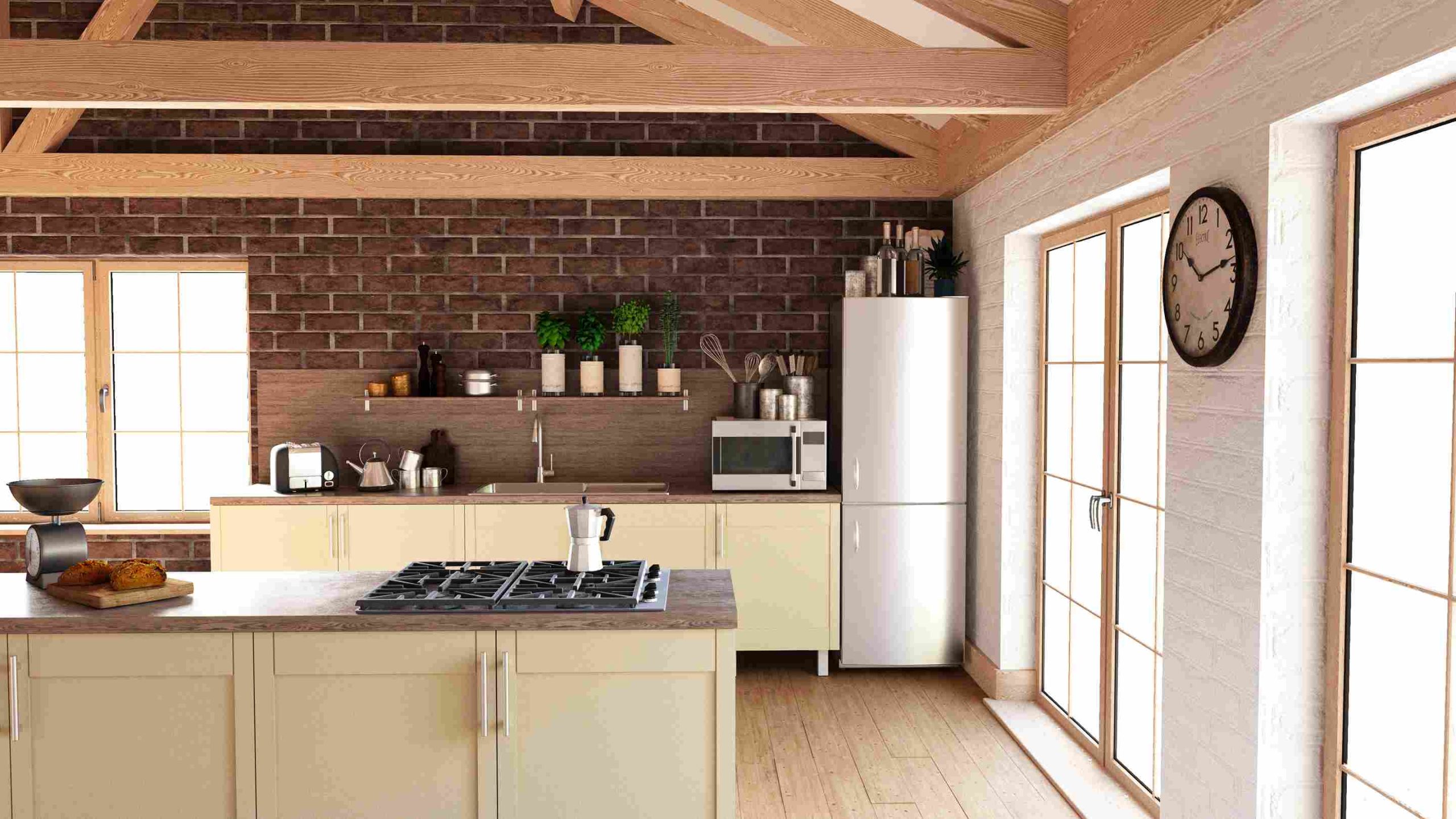
A kitchen extension is a great way to create more space and improve how your home functions. Whether you want a larger cooking area, more storage, or an open space for family time, a good design is essential. Planning the layout, budget, and materials in advance helps ensure the extension is both practical and visually appealing.
This guide explains the key steps to help you design a kitchen extension that suits your needs and lifestyle.
Plan Your Kitchen Extension
Before starting the kitchen extension, it is important to plan what you want from the space. Think about how you use the kitchen daily and what improvements you need, such as more room for cooking, dining, or storage. Consider the size of the extension and how it will connect with the existing kitchen. Good planning at this stage helps avoid costly changes later and ensures the extension meets your needs.
Decide Your Budget
Setting a clear budget is one of the foremost steps when planning a kitchen extension. Knowing your budget helps guide decisions on material, design, and layout. Here’s how to approach it:
1. Estimate Construction Costs
Start by considering the basic building costs, including labour, materials, and any groundwork needed. This will give you a clear idea of the core expense before adding extras.
2. Include Materials and Finishes
Next, think about what you want for cabinets, worktops, flooring, and lighting. High-end materials may have a higher upfront cost but can save money in the long run.
3. Factor in Appliances and Fixtures
Don’t forget to budget for kitchen appliances, sinks, taps, and any additional plumbing or electrical work. These costs can add up quickly if not planned early.
4. Keep a Contingency Fund
Always set aside around 10–15% of your total budget for unexpected expenses. This ensures you can handle surprises without compromising on quality.
Choose the Right Layout
A good layout makes your kitchen practical and enjoyable to use. Consider these points when planning your extension:
Open-Plan Kitchens: Connects the kitchen with dining or living areas, creating a spacious and social environment.
Kitchen-Diner Extensions: Combines cooking and eating in one area, giving plenty of space for family meals.
Add a Kitchen Island: Provides extra workspace, storage, and seating, and acts as a central hub for movement.
Create Functional Zone: Separate areas for cooking, preparation, cleaning, and dining to maintain an organised and functional kitchen.
Allow Enough Circulation Space: Ensure there is enough clearance to move around cabinets, islands, and dining areas for comfort and safety
Think About Storage Placement: Place storage close to key work areas and appliances to reduce clutter and improve convenience.
Bring in Natural Light
Natural light can make your space appear brighter and more welcoming. Large windows or glass doors let sunlight in, while skylights or roof lanterns brighten areas where windows may not reach.
Think about how sunlight moves throughout the day and place worktops or the dining area in well-lit spots. Using natural light effectively makes the kitchen more pleasant and reduces the need for artificial lighting.
Pick Materials and Storage
Selecting the right materials and planning storage carefully can make your kitchen both practical and stylish. Here’s how to approach it:
Worktops
Compare materials like granite, quartz, laminate, or solid wood for strength, care, and upkeep.
Cabinets
Soft close drawers, pull out pantry units, or corner carousels optimise storage space.
Flooring
Hardwood, tiles, or vinyl with easy cleaning and wear resistance. Emphasise anti-slip features for safety.
Smart storage
Utilise wall space for shelves, under-island storage, and built-in organisers for utensils, cleaning supplies, and spices.
Sustainability
Choose environmentally friendly materials or select low-energy appliances to lower ongoing costs.
Final Thoughts
Designing a kitchen extension involves careful planning, from setting your goals and budget to choosing the layout, natural light, materials, and storage. By considering each of these steps, you can create a functional and visually appealing kitchen.
A well-designed kitchen extension not only improves daily living but also adds value to your home. Taking the time to plan each detail ensures your new kitchen is practical, comfortable, and a place you’ll enjoy for years to come.